When you turn on your kitchen faucet, you expect to be greeted by a stream of water that is completely crystal clear, odorless, and neutral in taste. So, if your tap water suddenly runs slightly cloudy, smells strongly of pool chlorine, or carries a distinct metallic tang, it is completely natural to experience a wave of anxiety. Your immediate instinct is to ask: Is this water safe to drink?
In the world of water treatment and civil engineering, water quality issues are divided into two completely separate categories: aesthetic problems and health concerns.
While a glass of water that looks like sweet tea or smells like boiled eggs is deeply unappealing, it is often completely harmless to your body. Conversely, water that contains dangerous pathogens or toxic chemicals can look pristine, taste crisp, and smell perfect. Understanding the crucial line between a cosmetic nuance and a legitimate health hazard is the foundation of becoming an empowered consumer. Here is how to tell the difference.
1. Aesthetic Problems: The Sensory Disruptions
Aesthetic water issues are defined as characteristics that affect the look, taste, or smell of water but do not pose an immediate or long-term risk to human health. These problems are typically caused by naturally occurring minerals, organic matter, or standard municipal treatment methods.
Even though they can ruin a cup of coffee or leave stubborn stains on your laundry, they do not make you sick.
Common Aesthetic Culprits:
- Chlorine Smell: Municipal water systems use chlorine or chloramines to disinfect water as it travels through miles of underground pipes. While a strong chemical odor can make your tap smell like a public swimming pool, the presence of this disinfectant is actually proof that the water is actively protected against biological threats.
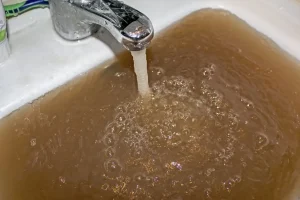
- Rust and Iron Discoloration: If a city water main breaks or undergoes maintenance down the street, loose iron rust can flake off the old pipe walls, tinting your water yellow, red, or brown. It looks alarming, but iron is an essential nutrient, and the levels found in discolored tap water are generally considered an aesthetic nuisance rather than a health risk.
- Hard Water Scale: White, chalky buildup on your showerheads and water spots on your dishes are caused by high concentrations of calcium and magnesium. These minerals are completely non-toxic to ingest; in fact, they provide baseline minerals that your body needs.
Learning to identify these visual and aromatic traits is the first step in demystifying your home’s water supply. Familiarizing yourself with fundamental water basics can help you accurately assess what normal, healthy water looks and behaves like under daily operating conditions.
2. Health Concerns: The Invisible Threats
The real danger in drinking water is almost always entirely invisible. Contaminants that cause legitimate health concerns typically cannot be tasted, smelled, or seen with the naked eye. These substances are regulated under strict federal primary drinking water standards because they can cause acute illness or chronic, long-term health complications.
The Invisible Risks:
- Microbial Pathogens: Bacteria like E. coli, viruses, and parasites like Giardia can slip into water systems through broken lines or agricultural runoff. They do not change the color or taste of the water, but ingesting them can cause immediate gastrointestinal illness.
- Heavy Metals: Lead and copper typically enter drinking water through the corrosion of a home’s older internal plumbing or historical service lines. Lead is completely odorless and tasteless, yet it poses severe neurological risks, particularly to infants and young children.
- Chemical Contaminants: Industrial byproducts, pesticides, and synthetic compounds like PFAS (per- and polyfluoroalkyl substances) can leach into groundwater supplies. These “forever chemicals” do not alter the clarity or flavor of a glass of water, but long-term exposure is linked to systemic health issues.
Recognizing that pristine-looking water can still harbor hidden dangers highlights why regular testing and regulatory awareness are so vital. Distinguishing between simple sensory preferences and verified water quality facts is a crucial step in ensuring your family’s long-term wellness.
3. How Changes in Architecture and Fixtures Bridge the Gap
Sometimes, an aesthetic problem can serve as an early warning sign that a health concern is developing within your home’s private plumbing system.
For instance, if your water consistently carries a bitter, metallic taste for the first few seconds it runs, it is initially an aesthetic issue caused by water sitting stagnant against your pipes overnight. However, if that metallic taste never fades, it indicates that your water chemistry is highly corrosive and is actively eating away at your pipe walls. Over time, this ongoing structural degradation can cause lead or copper to continuously leach into your drinking glass at unsafe levels.
Maintaining Your Terminal Defense:
A significant amount of everyday water maintenance happens right at your faucets. Trapped mineral scale and debris can accumulate inside your aerator screens, altering the taste and flow of your water. Keeping your home’s delivery points clean and updated is a highly effective way to manage your indoor environment. Regularly maintaining and upgrading your plumbing fixtures prevents aesthetic mineral buildup from turning into a harbor for bacteria right at the finish line.
4. The Role of Large-Scale Distribution Systems
Understanding how water is managed before it ever enters your property lines can provide immense perspective on why certain aesthetic or structural shifts occur.
Municipalities utilize massive networks of filtration plants, chemical injection loops, and pressurized water towers to deliver water across entire zip codes. When a major environmental event—like a severe rainstorm—disrupts this balance, cities have to adjust their treatment protocols rapidly. They might temporarily increase chlorine levels or reroute water lines, leading to sudden, short-term aesthetic shifts in your neighborhood’s taste or smell profile.
Gaining a clearer understanding of how these vast municipal networks operate can help you differentiate between a routine system adjustment and a localized emergency. Investigating the mechanics of urban water systems can provide excellent context on why your tap water behaves the way it does during structural shifts.
Aesthetic vs. Health Concerns Comparison
Differentiating between sensory anomalies and invisible risks can help guide your household filtration choices:
| Water Characteristic | Primary Cause | Classification | Action Required |
| Rotten Egg Smell | Naturally occurring hydrogen sulfide gas. | Aesthetic | Harmless to drink, but can be removed with a standard carbon filter. |
| Lead Contaminants | Corrosion of historical lead solder or service lines. | Health Concern | Invisible and tasteless; requires specialized certified filtration or pipe replacement. |
| Cloudy / Milky Water | Tiny air bubbles trapped in pressurized lines. | Aesthetic | Let the glass sit for 60 seconds; the water will clear from the bottom up as air escapes. |
| Nitrates / Pesticides | Agricultural runoff leaching into shallow aquifers. | Health Concern | Odorless and tasteless; requires reverse osmosis or distillation treatment. |
By mastering the distinction between the harmless sensory quirks of water delivery and the invisible chemical or biological threats that require targeted filtration, you can confidently evaluate your home’s water supply and ensure every glass you pour is genuinely safe, healthy, and clean.
Are you looking for more practical advice on how to handle sudden changes in your household water flow? Explore our library of expert troubleshooting tips and solutions by browsing our comprehensive articles on the blog.