We have all experienced that brief moment of plumbing suspense: the city water works department turns off the water main on your street to complete an emergency repair, or a massive local storm causes a sudden drop in your home’s water pressure. You open a faucet, and nothing comes out but a weak trickle or an ominous hiss of escaping air.
Eventually, you hear the pipes rattle and rumble inside the walls—the signal that the municipal supply has officially been restored. But when you fill a glass from that initial, high-pressure rebound surge, the water looks completely bizarre.
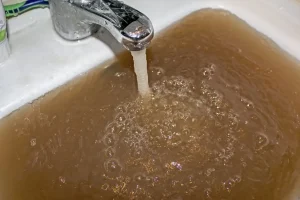
Instead of a clean, crystal-clear stream, it might look milky white, run a dramatic rust-colored brown, or come out sputtering with an intense burst of foam. This striking visual transformation can be deeply unsettling. However, what you are seeing is a direct, logical physical reaction to a sudden shift in fluid dynamics and hydraulic force. Here is exactly why water looks completely different after a sudden pressure rebound.
1. The “Milky Water” Illusion: Dissolved Micro-Bubbles
The most common visual anomaly after water pressure snaps back to normal is a thick, milky white appearance. If you hold the glass up to the light, the water looks so cloudy that you might assume it is filled with dangerous chemicals or heavy chalk sediment.
However, if you set that glass down on the counter and watch it for sixty seconds, something fascinating happens: the water clears up perfectly from the bottom of the glass to the top.
This milky phenomenon is caused entirely by trapped air under intense pressure, a process known as entrained air. When a water line is opened for repairs or emptied due to a drop in pressure, millions of gallons of atmospheric air rush into the empty pipe voids. When the city pumps turn back on, water forces its way back through the network, compressing that trapped air into billions of microscopic bubbles.
Under the sudden, high-hydraulic force of the pressure rebound, these micro-bubbles are driven completely into the water solution. When the water finally escapes your faucet, the sudden drop back to normal atmospheric pressure allows those tiny bubbles to rapidly rise and vent into the room. This harmless, gas-driven cloudiness is a classic byproduct of plumbing transit shifts. Developing a foundational grasp of water basics allows you to recognize these simple physical transformations immediately, saving you from unnecessary worry.
2. The Heavy Rust Flush: Structural Shearing
If the water coming out of your taps after a pressure rebound doesn’t look white, but instead runs an alarming shade of yellow, orange, or deep tea-colored brown, you are witnessing a different physical reaction known as structural shearing.
Over decades of service, the interior walls of municipal cast-iron water mains and your home’s private iron or copper pipes develop a stable, thin layer of mineral deposits and oxidization (rust). Under normal, continuous daily operation, the water moves through these lines at a stable, predictable velocity, leaving this interior scale layer undisturbed.
When a water main drains or drops pressure, the direction and speed of the fluid shifts drastically. When the pressure suddenly rebounds, it sends a powerful, turbulent shockwave of high-velocity water ripping through the grid. This sudden burst of hydraulic friction acts like a pressure washer against the brittle interior walls of your pipes. It violently shears off loose iron rust flakes, mineral scale, and accumulated silt, dragging these concentrated particulates straight out of your kitchen and bathroom spouts.
3. The Sputtering Faucet: Air Pockets and Terminal Bottlenecks
A sudden pressure rebound rarely delivers a smooth, clean flow of water right away. Instead, your faucets will often cough, sputter, and blast out water in violent, unpredictable bursts.
This happens because large, intact pockets of air are traveling through your vertical pipe stacks ahead of the main water column. Because air is highly compressible and water is completely incompressible, these air pockets compress into high-pressure “springs” behind your walls. When they reach an open fixture, they expand outwards instantly, creating a foaming, splashing mess.
This erratic, high-pressure surge can cause immediate issues at the very end of your plumbing line.
The Aerator Sediment Trap:
As the turbulent shockwave flushes rust and scale through your home’s system, those loose particles travel directly into your faucets and slam into the aerator—the tiny, fine-mesh screen screwed onto the tip of your spout. The debris becomes tightly wedged against the mesh, restricting water flow and causing your tap to spray unevenly long after the main street pressure has stabilized. Keeping these endpoints clean and free of post-rebound debris is a vital part of basic household care. Taking a few minutes to clean or upgrade your plumbing fixtures prevents these temporary sediment flushes from turning into a permanent restriction in your daily water flow.
4. Why Pressure Surges Reveal Broader Infrastructure Shifts
While a brief, two-minute flush of cloudy or discolored water is a completely normal reaction to a sudden municipal pressure rebound, it highlights just how interconnected your private home is with the vast, hidden network of civil engineering beneath your city streets.
Municipalities manage water delivery through an intricate balance of high-capacity treatment plants, pumping loops, and pressurized holding towers designed to serve thousands of properties simultaneously. When an emergency event forces a section of this grid to shut down and rapidly restart, the resulting pressure waves place immense physical stress on every joint, valve, and service line across the neighborhood.
Gaining a clearer perspective on how these large-scale public delivery networks are engineered can give you valuable context on why your home’s taps occasionally echo street-level disruptions. Investigating the broad operational blueprints of urban water systems can help you better understand the physical forces at play behind your apartment or house walls during a system reset.
5. Differentiating Between a Temporary Echo and Real Damage
For the average homeowner, the primary goal after a pressure rebound is knowing when to sit back and let the system clear itself out, and when to take immediate action.
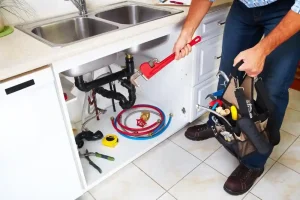
If your water remains intensely muddy, foul-smelling, or carries a strong chemical aroma for several hours after a local incident, it indicates that the high-pressure surge may have breached a compromised underground pipe on your property, or allowed groundwater to seep into a fractured service line. Learning to track these persistent anomalies is the ultimate key to home safety. Knowing how to differentiate between temporary, air-driven cloudiness and serious, ongoing water quality facts can help you confidently determine when it’s safe to drink and when it’s time to call in a professional plumber.
Post-Rebound Water Recovery Protocol
Implementing a step-by-step approach after a sudden system restart can protect your appliances and ensure a rapid return to clear water:
| Phase / Timeline | What the Water Looks Like | Root Physical Cause | Recommended Household Action |
| First 60 Seconds | Sputtering, milky white or foam-heavy flow. | Entrained atmospheric air venting out under high pressure. | Open your cold water taps slowly; do not run appliances or hot water yet. |
| Minutes 1 to 5 | Yellow, orange, or tea-colored brown stream. | Structural shearing of loose iron rust and mineral scale from pipe walls. | Run a high-volume, un-aerated tap (like a bathtub spout or outdoor hose bib) until it runs cold and clear. |
| Hours 1 to 12 | Intermittent spraying, low pressure at single sinks. | Dislodged sediment trapped against terminal fixture screens. | Unscrew your faucet aerator mesh caps, rinse out the trapped debris, and screw them back on. |
By recognizing that a sudden pressure rebound acts as a temporary mechanical shockwave that fills your water with harmless air bubbles and loose mineral sediment, you can easily use a strategic cold-water flush to clear the lines, protect your internal plumbing, and restore a pristine, crystal-clear flow to every faucet in your home.
Are you looking for more actionable tips on how to handle sudden changes in your household water quality or structural pressure? Explore our extensive library of expert solutions and troubleshooting blueprints by browsing our comprehensive articles on the blog.