We have all experienced that sudden sensory surprise: you turn on a faucet that hasn’t been used in a while, fill a glass, and take a sip, only to notice a sharp, distinct, copper penny flavor. Yet, if you let the water run for just five to ten seconds, fill up a second glass, and drink it, the metallic taste completely vanishes, replaced by a perfectly clean, refreshing flavor.
It can feel like your taste buds are playing tricks on you. However, that fleeting metallic note is a very real chemical and physical reaction taking place right at the meeting point of your water supply and your plumbing fixtures.
When water sits completely motionless, even for just a few hours, it interacts with its immediate environment in ways that moving water never does. Here is exactly what causes that temporary metallic taste and why a quick flush instantly fixes it.
1. Stagnation and the “Micro-Leaching” Effect
The primary culprit behind a quick burst of metallic taste is a process called micro-leaching. Water is often referred to as the “universal solvent” because its chemical structure allows it to slowly break down and absorb molecules from the materials it touches over time.
When you are actively using water throughout the day, it rushes through your home’s pipes too quickly to absorb any noticeable characteristics from the plumbing materials. But when a faucet sits unused overnight, or while you are at work, the water inside the pipe becomes entirely stagnant.
During these hours of stillness, the standing water reacts with the interior walls of your plumbing. If your home has copper pipes, brass fittings, or older galvanized iron lines, the water absorbs microscopic amounts of these metal ions. The very first stream of water out of the spout contains this tiny, concentrated dose of dissolved metals, giving that initial sip a sharp, bitter, or iron-like taste.
2. The Faucet Aerator Bottleneck
Many homeowners assume that if they taste metal, the issue must be coming from deep within their walls or from the city streets. However, the true cause is often resting right at the very tip of the faucet inside a tiny component called the aerator.
The aerator is the small, screw-on mesh screen at the end of your spout. Its job is to mix air into the water stream to create a smooth, splash-free flow. Over time, the aerator acts as a microscopic net, catching tiny flakes of rust, mineral scale, and sediment that break loose from municipal water mains or your home’s water heater.
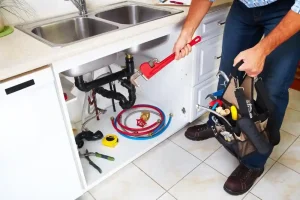
When water sits stagnant overnight, it rests directly against this trapped pocket of mineral debris right at the finish line. The first splash of water washes over these concentrated particulates, dragging a metallic flavor directly into your glass. To keep your water tasting pristine and prevent these tiny terminal bottlenecks, regularly unscrewing, cleaning, and upgrading your plumbing fixtures is one of the easiest ways to protect your home’s daily water quality.
3. Dissolved Oxygen and Fluid Degassing
Water traveling through an underground municipal grid is kept under continuous, high hydraulic pressure. This pressure forces natural gases, including dissolved oxygen, to remain tightly bound within the liquid. Fully oxygenated, highly pressurized water naturally tastes bright, crisp, and clean to our palates.
When water leaves the main street grid and sits stagnant inside a residential pipe segment, it is no longer under that same dynamic movement. The standing water slowly degasses, releasing its dissolved oxygen into any small pockets of air inside your faucet neck or pipe bends.
This drop in oxygen levels alters the chemical structure and overall mouthfeel of the water. De-oxygenated water tastes flat, heavy, and stale. This flat profile causes your tongue’s taste receptors to perceive the baseline background minerals—such as iron and zinc—much more acutely, making the water taste intensely metallic until fresh, highly oxygenated water replaces it.
4. Temperature and Sensory Perception
There is a simple biological reason why the metallic taste disappears the exact moment the water runs cold. Temperature plays a massive role in how our brains process flavor profiles and volatile aromas.
Water sitting stagnant inside your walls eventually warms up or cools down to match the ambient room temperature of your home. Lukewarm water allows trace minerals and treatment elements to volatilize, releasing subtle odors that your nasal passages register instantly as a metallic or chemical taste.
When you flush your tap for a few seconds, you pull fresh, insulated water straight from the deeply buried water mains underground. This sudden drop in temperature temporarily numbs the sensitivity of your tongue’s taste buds, naturally masking subtle mineral notes and giving the water a crisp, clean finish. Understanding how these baseline properties change based on transit dynamics is a great asset for any homeowner. Familiarizing yourself with fundamental water basics can help you better understand how temperature, pressure, and flow interact to create the perfect glass of water.
5. When the Metallic Taste Fails to Disappear
While a brief, three-second burst of metallic taste is a completely normal byproduct of minor plumbing stagnation, a metallic flavor that persists through minutes of continuous flushing points to a larger, systemic issue.
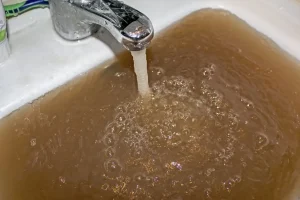
If your water permanently tastes like metal, runs visibly red or brown, or continuously leaves blue-green stains in your sinks and tubs, it indicates that your water chemistry is actively corroding your plumbing system. This can be caused by highly acidic water eating away at your copper pipes, or older galvanized service lines nearing the end of their operational lifespan. Recognizing these long-term warning signs is vital to protecting your property and health. Knowing how to distinguish between normal overnight stagnation and severe, ongoing water quality facts can help you decide when to implement home filtration or contact a professional.
Faucet Stagnation and Taste Recovery Guide
Managing your taps based on how long they have sat unused can save water while ensuring a fresh taste:
| Stagnation Window | What is Happening Inside | Required Flush Time | Efficient Home Practice |
| 2 to 4 Hours | Minor degassing, water reaches ambient room temperature. | 2 to 5 seconds (until water turns cool). | Use the first few seconds of water to rinse out the sink or wash your hands. |
| Overnight (8+ Hours) | Micro-leaching of pipe metals, sediment settlement at the aerator. | 15 to 30 seconds (until water runs completely cold). | Catch the initial flush water in a small pitcher to use for watering household plants. |
| Vacation (3+ Days) | High concentration of dissolved metal ions, localized biofilm stagnation. | 1 to 2 minutes across all primary drinking taps. | Run a cycle on your washing machine or flush your toilets first to pull fresh street water into the main lines. |
By recognizing that a brief metallic taste is simply the natural result of water resting against metal pipes and losing its oxygen, you can use a quick, strategic flush to effortlessly sweep away the stale remnants and enjoy a perfectly fresh, crisp glass of water every single morning.
Are you interested in learning more about how municipal water grids manage filtration, pressure, and distribution before water ever reaches your home? Expand your knowledge of large-scale infrastructure by reviewing our comprehensive guides on urban water systems.